What the cortisol awakening response is
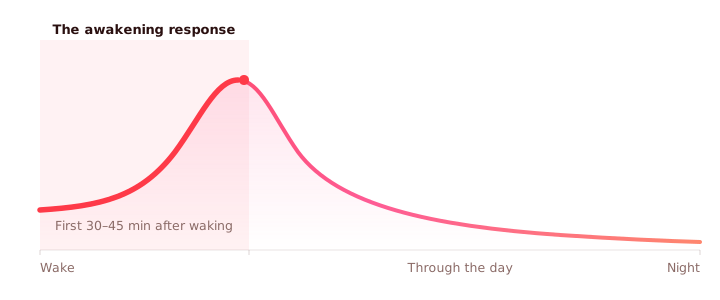
The cortisol awakening response, often shortened to CAR, is the steep rise in cortisol that happens in the first 30 to 45 minutes after you wake up. It sits at the start of your daily cortisol curve, just before the morning high. It's normal, it's expected, and it's part of how your body gets going.
If cortisol is your built-in alarm, the awakening response is the alarm actually going off.
Why it matters
A clear morning rise lines up with feeling awake, focused, and ready for the day. When the rise is there and well-timed, mornings tend to feel easier. When it's flat or off, mornings can feel foggy and slow, even after a full night in bed.
Researchers pay attention to the awakening response because its shape tracks with stress and recovery over time. The goal is not a single "good number," it's a rise that shows up at the right time and settles into a healthy daily curve.
What a healthy rise looks like, and what changes it
A typical pattern is a quick climb after waking, a morning peak, then a slow drop across the day. Two common ways it shifts:
- An exaggerated rise can show up with ongoing stress.
- A flat or blunted rise can show up with burnout, poor sleep, or night-shift work.
You can't feel any of this happening. It's invisible unless you measure it, which is why the awakening response is usually missed.
How it's measured, and the easier way
The traditional way to capture the awakening response is several saliva samples in the first hour after waking, on a strict timer. It works, but few people keep it up. A single blood test can't capture it at all, because it's one moment and the response is a short curve.
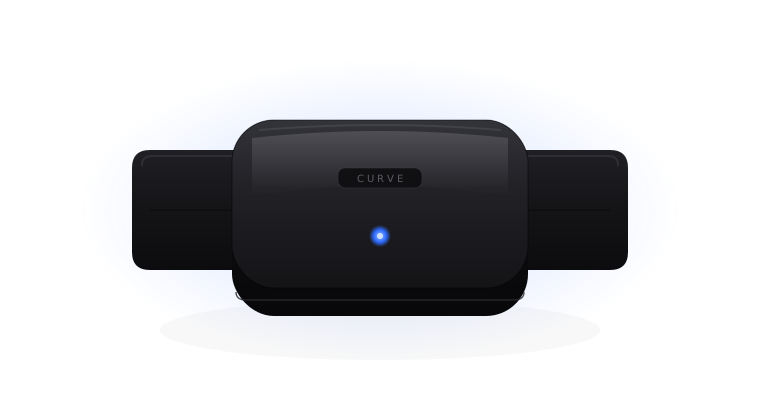
The Auromone Curve reads cortisol from a trace of sweat about 720 times a day, so your morning rise simply appears as part of your daily curve, no timed spitting required. Over a couple of weeks you can see whether your awakening response is consistent and well-timed. For the basics, see Cortisol 101; for how methods stack up, see the comparison.
This guide is for general wellness education only. The Auromone Curve is a general wellness device, not a diagnostic, and does not replace medical advice.