First, "lower" isn't always the goal
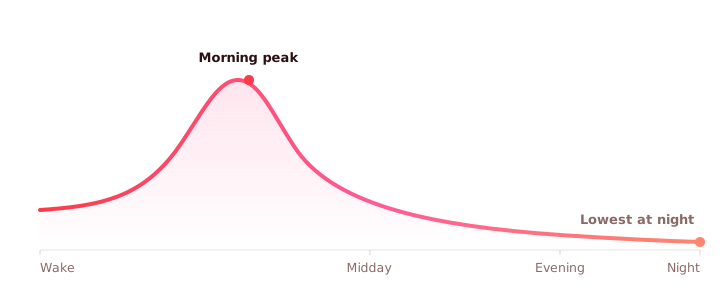
Cortisol has a bad reputation, but you need it. It's supposed to be high in the morning to get you going and low at night so you can rest. The aim isn't the lowest possible number, it's a healthy daily rhythm: a clear morning rise and a steady drop into the evening.
So the better question than "how do I lower cortisol?" is usually "is my cortisol high at the wrong time, and what brings it back into rhythm?"
Habits that support a healthy rhythm
These are general wellness habits, not medical advice. Each tends to support the natural rise-and-fall:
- Sleep on a schedule. A steady wake time anchors the whole rhythm.
- Get morning daylight. Light early in the day helps set the curve.
- Move caffeine earlier. Late caffeine can keep cortisol up into the evening.
- Exercise, but mind the timing. Regular activity helps; very late or very intense sessions can keep it elevated at night.
- Slow your breathing. A few minutes of slow breathing or relaxation can calm an acute spike.
- Eat steady meals. Big swings in blood sugar can nudge cortisol.
- Go easy on late alcohol. It can disrupt the overnight pattern and your sleep.
Why you should measure before you manage
Here's the catch with every list like the one above: you can't feel cortisol, so you can't tell which change is actually working. People try meditation, cold plunges, magnesium, earlier bedtimes, and have no idea what moved the needle and what was wishful thinking.
The way out of guessing is data. If you can see your daily pattern, you can run a simple experiment: change one thing, watch the curve for a week or two, keep what works.
How to see whether it's working
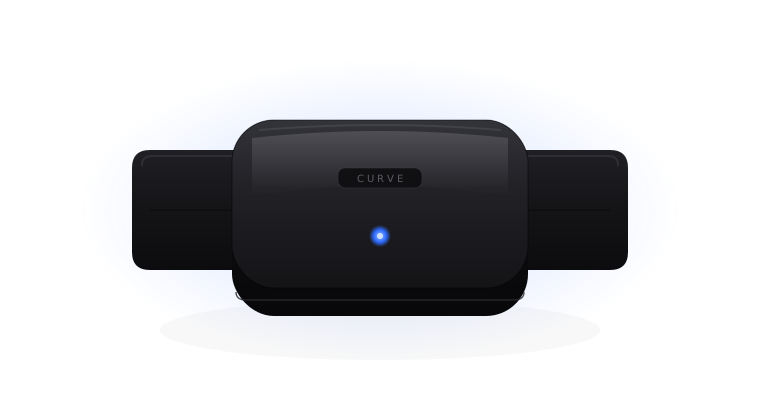
The Auromone Curve reads cortisol from a trace of sweat on your wrist about 720 times a day. Instead of a single lab value, you get the shape of your day, so you can tell whether cutting afternoon coffee really flattens your evening, or whether a new wind-down routine restores your overnight low.
New to this? Start with Cortisol 101, then see how it connects to sleep and stress.
This guide is for general wellness education only. It is not medical advice and the Auromone Curve does not lower cortisol, diagnose, or treat any condition. If you're concerned about your cortisol or symptoms, talk to a healthcare provider.