If you take steroids: never stop suddenly, and know the signs of adrenal crisis
This box is about you if you take, or recently stopped, a steroid by any route: tablets, inhalers, creams, nasal sprays, joint or spinal injections, or a drip. It is also about you if you have taken an "adrenal support" supplement, because some contain undeclared steroids. You do not need a diagnosis for this to apply.
1. Never stop or cut a steroid on your own. Long-term steroids switch off your own cortisol production, and the glands can take months to restart. NIDDK names suddenly stopping corticosteroids after long use as the most common cause of adrenal insufficiency overall, and the 2024 guideline lists abrupt withdrawal as a trigger of adrenal crisis. Already stopped abruptly? Contact the doctor who prescribed it today. Do not wait and see, and do not restart on a dose you have guessed at.
2. Know what an adrenal crisis looks like. The guideline defines it as low blood pressure or shock plus at least one of: nausea or vomiting, severe fatigue, fever, or impaired consciousness (confusion, drowsiness, collapse, seizures). The NHS adds a fast heart rate, severe dizziness on standing, severe pain in the tummy or side, and muscle weakness, pain or spasms.
- It can look exactly like a stomach bug, and a gastrointestinal or flu-like illness is the most common trigger (StatPearls). What separates it: your steroid history, and feeling faint or dizzy when you stand, collapsing, or becoming confused.
- If you are vomiting, you cannot count on absorbing a steroid tablet. A tablet you bring up does not work. The guideline notes that absorption is not guaranteed in gastroenteritis, and that prolonged vomiting or diarrhoea calls for injected steroids. If you have an emergency hydrocortisone injection, use it, then call emergency services. The NHS says to call even if you have already injected.
- No fever does not mean no crisis, and no infection. MedlinePlus warns that prednisone may stop you developing the usual symptoms of an infection. Never use a normal temperature to reassure yourself.
- It can be the first sign. The guideline notes that adrenal crisis may be the first manifestation of steroid-induced adrenal insufficiency, in someone never tested.
Triggers to know: infections (including gut, urine and chest), surgery or dental work, injury, labour, strenuous exercise, severe emotional stress, stopping steroids abruptly, tapering below a replacement dose, switching between inhalers, and starting certain drugs such as rifampicin, carbamazepine or phenytoin (2024 guideline).
What to say to emergency services: "I take steroids (or recently stopped). This may be an adrenal crisis. I may need hydrocortisone." The guideline is explicit that treatment must not be delayed by laboratory or imaging tests: suspected crisis is treated straight away with 100 mg of hydrocortisone by injection and intravenous fluids.
Before you are ever ill, ask the prescriber for written sick-day rules, a steroid emergency card, and, if your risk is high, an emergency injection kit and training for someone you live with. StatPearls gives the usual pattern for people on replacement doses: double the oral dose for a fever above 38 °C (100.4 °F), triple it above 39 °C (102.2 °F). Your doctor sets your numbers. The full picture is in what coming off steroids does to your cortisol and low cortisol and adrenal insufficiency.
If you are in a mental health crisis
This page discusses depression and PTSD, and some people reach it because they feel unbearable and are looking for a physical explanation. If you are having thoughts of suicide or of harming yourself, stop reading and reach a person.
- Canada and the United States: call or text 9-8-8. The 9-8-8 Suicide Crisis Helpline answers 24 hours a day, every day of the year.
- If you are in immediate danger, call 9-1-1 or go to an emergency department.
- Anywhere else, find your local line through the international directory at findahelpline.com.
Depression is treatable, and it is treated by people, not by numbers. There is no cortisol reading, from any device or any laboratory, that tells you whether you are getting better. Nothing on this page should delay a call, an appointment, or a prescription.
The illnesses that hide in this symptom list
Exhaustion, low mood, broken sleep, weight change and "wired but tired" are the symptoms that send people looking for HPA axis dysfunction. They are also the opening symptoms of several treatable diseases, and of one that can kill you. The Endocrine Society's warning is blunt: if you have these symptoms you may have adrenal insufficiency, depression, obstructive sleep apnea, or other health problems, and getting a real diagnosis is very important.
Adrenal insufficiency is the dangerous one, because untreated it can progress to the adrenal crisis described above. StatPearls reports that adrenal crisis contributed to 10% of deaths among people with primary and secondary adrenal insufficiency in a UK study.
Two signs people use as a filter. Both fail as one.
- Darkened skin. It is the classic sign of Addison's disease, and NIDDK describes it on scars, skin folds, knuckles, elbows, lips and the lining of the cheek. Its absence rules nothing out. StatPearls notes that secondary adrenal insufficiency does not cause it, and steroid-induced suppression, which runs on low ACTH, produces none. Unchanged skin is not reassurance.
- A normal-looking morning cortisol. The 2024 guideline treats morning cortisol as a continuum, not a pass or fail, and results vary by assay, by time of waking and by medication such as oral estrogen. A mid-range value is why the ACTH stimulation test exists. Do not let one number close the question.
If you are certain your problem is physical and not psychiatric, this page is still about you. Most of the differential below is physical disease, and every item on it is found with a blood test or a sleep study rather than with a cortisol curve.
| What it could be | What points toward it | How it is actually found |
|---|---|---|
| Adrenal insufficiency, including steroid-induced | Long-lasting fatigue, muscle weakness, loss of appetite and weight, abdominal pain, nausea, dizziness on standing, salt craving, low blood sugar (NIDDK). Any current or recent steroid use, by any route | Morning cortisol, then an ACTH stimulation test where needed. Read low cortisol and how it is diagnosed |
| Cushing's syndrome | Weight centred on the trunk and face, thin skin, easy bruising, purple stretch marks, muscle weakness, high blood pressure | Dexamethasone suppression, late-night salivary cortisol or 24-hour urine cortisol, ordered and read by a clinician. Read why a Cushing's test can come back normal |
| Depression | Loss of interest and pleasure, hopelessness, change in appetite and sleep, guilt, thoughts of death | Clinical assessment. No blood or saliva test diagnoses it |
| Obstructive sleep apnea | Unrefreshing sleep, snoring, witnessed pauses in breathing, morning headache, daytime sleepiness | A sleep study |
| Thyroid disease, anemia, diabetes, coeliac disease | Any of them can present as nothing more than exhaustion. A racing heart, tremor or unexplained weight loss can be an overactive thyroid. One exception is urgent: exhaustion with heavy thirst, frequent urination and unexplained weight loss can be new diabetes, and if vomiting, abdominal pain, deep rapid breathing or confusion join it, that is diabetic ketoacidosis, an emergency today, not an appointment | Routine blood work, which is cheap and fast. Ask for it. Unexplained weight loss on top of exhaustion always needs a doctor's eyes, whatever else you have concluded |
Do not let this page, or any page, be the reason you skipped that blood work. An article can tell you what a system does. It cannot tell you what is happening in yours.
What is the HPA axis?
It is the loop that makes cortisol and then tells itself to stop. StatPearls sets it out in three steps. The hypothalamus releases corticotropin-releasing hormone (CRH). CRH tells the anterior pituitary to release adrenocorticotropic hormone (ACTH). ACTH tells the zona fasciculata of the adrenal cortex to make and release cortisol. Then comes the fourth step, and it is the one that matters: cortisol feeds back on both the hypothalamus and the pituitary and inhibits CRH and ACTH. The hormone switches off its own signal.
That is a thermostat. It is why cortisol does not run away with itself, and it is why the axis produces a daily rhythm rather than a flat line. Cortisol concentrations peak in the early morning and reach their lowest at night. The shape of that day is covered in Cortisol 101.
| Step | Where | Signal | What it does |
|---|---|---|---|
| 1 | Hypothalamus (brain) | CRH, corticotropin-releasing hormone | Starts the cascade |
| 2 | Anterior pituitary (brain) | ACTH, adrenocorticotropic hormone | Travels in the blood to the adrenal glands |
| 3 | Adrenal cortex (above the kidneys) | Cortisol | Raises blood glucose, modulates immune and inflammatory responses, supports blood pressure |
| 4 | Back to the hypothalamus and pituitary | Negative feedback | Cortisol inhibits CRH and ACTH, switching its own production off |
Nothing in that loop can get tired. The adrenal glands are not a battery that a hard year drains. When they genuinely fail, medicine has a name for it, a test for it and a treatment for it, and the causes are known ones: autoimmune destruction, pituitary disease, steroid medication, and less commonly infection such as tuberculosis, bleeding into the glands, cancer that has spread to them, and certain drugs, including some cancer immunotherapies.
What is HPA axis suppression?
It is the feedback loop above, doing its job on a hormone you swallowed, inhaled or injected. The 2024 joint guideline from the European Society of Endocrinology and the Endocrine Society explains that glucocorticoid medicines (prednisone, prednisolone, dexamethasone, hydrocortisone, budesonide, fluticasone and others) inhibit CRH from the hypothalamus and ACTH from the pituitary, by the same mechanism as cortisol's own negative feedback. With no ACTH signal for long enough, the adrenal cortex shrinks. When the medicine is withdrawn, ACTH returns and in most people the adrenal cortex recovers, but the time to recovery is highly variable.
The result has a clinical name: glucocorticoid-induced adrenal insufficiency, sometimes called tertiary adrenal insufficiency. StatPearls states that exogenous steroid administration is the most common cause of tertiary adrenal insufficiency, and NIDDK names suddenly stopping corticosteroids after long use as the most common cause of adrenal insufficiency of any kind. The guideline estimates that at least 1% of the population takes long-term glucocorticoids, and it is blunt about what long-term use does: suppression of the HPA axis is "an inevitable effect of chronic exogenous glucocorticoid therapy."
This is the one form of "HPA axis dysfunction" that every endocrinologist recognises, and it is the reason the rest of this page tells you not to take an adrenal label lightly in either direction.
Who is at risk of HPA axis suppression?
Anyone on a steroid dose above what the body makes for itself, and the risk climbs with potency, dose, duration and the number of routes at once. The guideline says any route can suppress the axis: oral, topical, inhaled, intranasal, intravenous and intra-articular. People who search "prednisone" are not the only ones this applies to.
The figures below come from the Broersen meta-analysis of 74 studies and 3,753 people, reproduced in the guideline. They count biochemical suppression on testing, not symptoms.
| Route | Share tested with adrenal insufficiency | What raises the risk |
|---|---|---|
| Joint (intra-articular) injection | 52.2% (95% CI 40.5 to 63.6). The highest of any route | Repeated injections within 3 months, several joints at once, high doses, other steroids at the same time. The guideline advises a low threshold for testing within 2 months of an injection |
| Oral (tablets, liquid) | 48.7% (95% CI 36.9 to 60.6) | Higher dose, longer course, long-acting drugs such as dexamethasone |
| Inhaled | 7.8% overall; 21.5% at high doses; 27.4% after more than a year (asthma studies) | High doses for long periods, fluticasone propionate, adding oral or nasal steroids |
| Skin (topical) | 4.7% (95% CI 1.1 to 18.5) | Potent creams on large areas, broken or inflamed skin, occlusive dressings, mucous membranes, eyelids or scrotum |
| Nasal | 4.2% (95% CI 0.5 to 28.9) | Long-term use, other steroids at the same time |
Source: Broersen et al., JCEM 2015, as tabulated in the ESE and Endocrine Society 2024 guideline (Table 6). CI is the 95% confidence interval.
Duration matters, but no threshold is a guarantee. The guideline grades courses under 3 to 4 weeks as low risk and suggests they can usually be stopped without a taper, and grades use beyond 3 months as high risk. The NHS says a course longer than 3 weeks, or a high dose, usually needs to come down gradually. But the Broersen authors concluded that there is no route, dose, duration or underlying disease for which adrenal insufficiency can be excluded with certainty. Other risk factors named in the guideline: older age, using more than one kind of steroid at once, and certain HIV and antifungal medicines (strong CYP3A4 inhibitors such as ritonavir) that slow the breakdown of some steroids. A previous adrenal crisis raises the risk of another.
What are the symptoms of HPA axis suppression?
Often none at rest, then the symptoms of adrenal insufficiency when the body is stressed. The guideline lists them as general malaise, fatigue, nausea, and muscle and joint pain, with signs of weight loss, low blood pressure and dizziness on standing, and blood results showing low sodium and low blood sugar. NIDDK adds loss of appetite, abdominal pain, vomiting, diarrhoea, salt craving, irritability and low mood. MedlinePlus lists what can follow stopping prednisone suddenly: extreme tiredness, weakness, slowed movements, upset stomach, weight loss, changes in skin colour, mouth sores and craving for salt.
Feeling fine is not proof that your axis has recovered. In the studies the guideline reviewed, 98 people had biochemical adrenal insufficiency and only 10 reported symptoms. The guideline's conclusion is that symptoms are not specific and do not correlate well with test results. A suppressed axis can be silent for months, then show itself during a chest infection, a stomach bug or an operation, which is exactly when cortisol is needed most.
Three things can make a taper feel bad, and they need different responses. The guideline separates them like this:
| What it is | Typical features | When it tends to appear | Crisis risk |
|---|---|---|---|
| Adrenal insufficiency | Malaise, fatigue, nausea, muscle and joint pain; weight loss, low blood pressure, dizziness on standing; low sodium and blood sugar | When the dose falls below what the body needs, or illness raises the need | Yes, if not covered with steroid |
| Glucocorticoid withdrawal syndrome | Malaise, fatigue, nausea, muscle and joint pain, sleep problems, mood change | During the taper, usually once prednisone falls below 15 mg a day | Unlikely while steroid is still being taken and absorbed, but most people with it are also suppressed |
| The original disease returning | Whatever the condition felt like before treatment | At any point in the taper | Not from the flare itself |
Source: ESE and Endocrine Society 2024 guideline, Table 5. Near a replacement dose, the guideline says adrenal insufficiency and withdrawal syndrome cannot be told apart with complete accuracy.
You cannot sort these yourself, and the guideline says that near a replacement dose a doctor cannot always sort them either. That is the point of a supervised taper. The detailed version is in coming off prednisone: what happens to your cortisol.
Why is stopping steroids suddenly dangerous?
Because the medicine leaves before your own cortisol comes back. While you take a steroid, the adrenal cortex has been idle. Stop abruptly and, for a period that can last months, you may have less cortisol than your body needs, with no reserve for an infection, an injury or surgery. StatPearls lists abrupt cessation of chronic glucocorticoid therapy among the causes of adrenal crisis, and notes that topical and inhaled steroids can also lead to a crisis if they are stopped abruptly.
The guideline adds two facts that make this more than theoretical. One study found a sharp increase in deaths in the first 3 to 6 months after long-term oral steroids were stopped; the authors could not say how many were unrecognised adrenal crises, and say the finding calls for close follow-up. And people with steroid-induced adrenal insufficiency were found to be less aware of their diagnosis, less likely to carry emergency hydrocortisone or medical alert ID, and more likely to face delays in emergency treatment than people with other causes.
What to do instead: keep taking the dose you were prescribed, and ask the prescriber for a taper plan. In the guideline the taper is fast while the dose is high and slows as it nears the body's own output, about 4 to 6 mg of prednisone or 15 to 25 mg of hydrocortisone a day. If you have already stopped, contact the prescriber today. If you are unwell and cannot keep tablets down, that is the emergency in the box at the top of this page.
How do doctors test for HPA axis suppression?
With a morning blood cortisol first, and an ACTH stimulation test only when that result is unclear. The guideline does not recommend testing while you still take a high dose, because suppression is expected then. Testing starts once the dose is down near replacement level.
- Morning serum cortisol. The guideline reads it as a continuum. As a guide: above 300 nmol/L (10 µg/dL) suggests recovery and the steroid can be stopped safely; between 150 and 300 nmol/L (5 to 10 µg/dL), stay on the replacement dose and repeat in weeks to months; below 150 nmol/L (5 µg/dL), stay on it and repeat after a few months.
- ACTH stimulation test, if the morning result is indeterminate. A blood sample is taken, synthetic ACTH is injected, and cortisol is measured again at 30 or 60 minutes (MedlinePlus). The guideline uses the 250 µg dose; a peak cortisol below 500 nmol/L (18.1 µg/dL), depending on the assay, indicates adrenal insufficiency. The Endocrine Society's 2016 guideline calls this short test the "gold standard" for primary adrenal insufficiency.
- An endocrinologist, if the axis has not recovered after a year on a replacement dose, or after any adrenal crisis.
Why one number cannot settle it. The guideline lists the ways a single morning value misleads: it can read falsely low after night shifts, jet lag or severe insomnia, because the peak is tied to waking; high in pregnancy or on oral estrogen, which raise the binding protein; low in advanced liver disease, nephrotic syndrome or malnutrition; and different immunoassays disagree, so cut-offs belong to the laboratory that ran the test. These are lab blood tests, read against your history. At-home saliva and blood kits, compared in our guide to at-home cortisol tests, measure a level at a moment; none performs a stimulation test, and none should be used to decide whether to stop a steroid. How a single reading relates to the daily rhythm is covered in normal cortisol levels by time of day.
Is "HPA axis dysfunction" a real diagnosis?
Not on its own, and the honest version of that answer has two halves. HPA axis disorders are real and diagnosed every day: adrenal insufficiency, Cushing's syndrome, and the steroid-induced suppression above. If a doctor used the words "HPA axis" with you in one of those contexts, you have a real condition, it has a test, and this page is not arguing with you.
What does not exist is the state in between that supplement marketing describes: an axis quietly running down from stress, readable on a saliva panel, correctable with a capsule. That idea is usually sold as adrenal fatigue, which is not a recognised diagnosis. The Endocrine Society states that no scientific proof exists to support adrenal fatigue as a true medical condition, and that the tests sold for it are not based on scientific facts or supported by good scientific studies.
The systematic review behind that position is worth reading closely. Cadegiani and Kater screened 3,470 articles and included 58 studies. Among the 27 studies measuring the cortisol awakening response, 51.9% found a normal response in fatigued people. Among the 26 measuring the salivary cortisol rhythm across a day, 61.5% found no difference between fatigued people and controls. The authors' conclusion, in their words: "adrenal fatigue is still a myth." The same paper warns that glucocorticoid therapy should be avoided in these patients, because even low doses raise the risk of cardiovascular disease and osteoporosis.
The "adrenal support" supplement trap, and the way out of it
The phrase "HPA axis dysfunction" is attached to a large supplement market, and the products are not what their labels say. Researchers at the Mayo Clinic bought 12 over-the-counter adrenal support supplements and measured what was inside them. All 12 contained thyroid hormone (triiodothyronine, 63 to 394.9 ng per tablet). 25% contained budesonide, a synthetic glucocorticoid. Others contained pregnenolone, cortisone and cortisol. None of these hormones was listed as an ingredient.
Two separate dangers, and it matters that you do not confuse them. The amounts Mayo measured are small. At the label dose, that is up to about 1.3 µg of budesonide a day, a tiny fraction of a therapeutic steroid dose, so a tablet like that is unlikely, on its own, to have shut your axis down. The real problems are that you have been taking an undeclared drug at an unknown dose, and that the contents vary between bottles and brands. Separately, the Endocrine Society warns that taking adrenal hormone supplements you do not need can make your adrenal glands stop working, and that afterwards they can remain "asleep" for months, with a risk of a life-threatening adrenal crisis. That warning applies with full force to anything containing a real dose of glucocorticoid, which is precisely what you cannot tell from the label.
The way out. If you have been taking an adrenal, cortisol or "adrenal support" supplement:
- Get seen within days, not months, and if you have taken it for more than about three weeks, do not stop it on your own. A product that contained a real glucocorticoid dose can leave your axis suppressed even while you feel well, and stopping abruptly can trigger a crisis when the next illness arrives. Ask a doctor how to come off it. If you already feel unwell, light-headed, nauseous or weak, get medical advice now rather than an appointment next month. If you are vomiting or cannot keep fluids down, treat it as a possible adrenal crisis and go to an emergency department.
- Take the actual bottle to a doctor. Not a photo, not the name from memory. Say what you took, at what dose, and for how long.
- Say it again before any surgery, and any time you are seriously ill. Illness, infection and surgery raise the amount of cortisol your body needs. If your axis is suppressed and nobody in the room knows, that is the moment it matters.
- Mention the thyroid hormone too. The doses Mayo measured were small, but they are undeclared and vary between bottles. Palpitations, a racing or irregular pulse, or chest pain are reasons to be seen the same day.
What the wider supplement shelf does and does not do to cortisol is covered in do cortisol supplements work.
What does the research show in depression, PTSD and chronic fatigue?
Real average differences, running in every direction, none of them a test. This is the part that gets flattened by both camps, by people selling a cure and by people waving the whole field away. The findings are genuine. They are also group findings with heavy overlap between groups, which is a different object from a diagnostic.
| Condition | Best available evidence | What it found | What it does not mean |
|---|---|---|---|
| Major depression | Stetler and Miller, meta-analysis of 361 studies, 18,454 people (2011) | Cortisol was higher in depressed people, d = 0.60 (95% CI 0.54 to 0.66). Restricted to studies meeting minimal methodological standards, the effect fell to d = 0.33 (95% CI 0.21 to 0.45) | A modest average shift. The better the method, the smaller the difference. It cannot sort one person from another |
| Major depression, feedback | Nelson and Davis, meta-analysis of 14 dexamethasone suppression test studies (1997) | 41% of non-psychotic and 64% of psychotic depressed patients failed to suppress cortisol after dexamethasone | It also means most non-psychotic depressed patients suppressed normally. A normal result is the commonest result |
| PTSD | Meewisse and colleagues, meta-analysis of 37 studies, 828 people with PTSD and 800 controls (2007) | No overall difference in basal cortisol. Pooled SMD -0.12 (95% CI -0.32 to 0.08). Lower cortisol appeared only in subgroups: plasma or serum sampling, female participants, physical or sexual abuse, afternoon samples | The popular claim that PTSD means low cortisol. The authors concluded that low cortisol in PTSD is found only under certain conditions |
| Anxiety disorders | Zorn and colleagues, meta-analysis of stress-test studies: 14 in depression (n = 1,129), 9 in anxiety disorders (n = 732) (2017) | Direction depended on sex. Women with current depression or an anxiety disorder showed a blunted cortisol response to a social stress test. Men with current depression or social anxiety showed an increased one | That a single "anxiety cortisol pattern" exists. Opposite results in men and women cancel out in any test that ignores sex |
| Chronic fatigue syndrome | Papadopoulos and Cleare, review in Nature Reviews Endocrinology (2012) | Mild hypocortisolism, attenuated daily variation, enhanced negative feedback, and blunted responsiveness of the axis | That the axis is the cause. The same review reports that low activity levels, depression and early-life stress reduce cortisol while psychotropic medication raises it, and states that steroid replacement is not recommended |
Sources: Stetler and Miller 2011; Nelson and Davis 1997; Meewisse et al. 2007; Zorn et al. 2017; Papadopoulos and Cleare 2012. Full citations under References.
Look at the shape of that table. Cortisol runs high in depression, low in chronic fatigue, nowhere on average in PTSD, and in opposite directions by sex in anxiety. A signal that points every way is a real biological finding about populations. It is not a marker of an individual. And in chronic fatigue, the review that documents the abnormality also reports that it sits downstream of inactivity, low mood and medication. Direction of causation is not a technicality. It decides whether treating the hormone would help at all, and the field's own answer, in the same paper, is that steroid replacement is not recommended.
Why doesn't psychiatry measure your cortisol?
Because it was tried, at length, and it did not work as a test. The dexamethasone suppression test was the great hope of biological psychiatry in the 1980s. The American Psychiatric Association task force on laboratory tests reviewed the whole literature and reported sensitivity of about 40% to 50% in major depression, rising to 60% to 70% in very severe, especially psychotic, cases, with specificity above 90% against healthy controls but ranging from below 70% to above 90% against the other psychiatric conditions it would actually need to be told apart from. Its conclusion: "the clinical utility of the DST as currently understood is limited."
The second finding is the one this page has a duty to carry, because it is the sentence people most want to be false. The same task force reported that a positive test does not add significantly to the likelihood of responding to an antidepressant, and a negative test is not an indication for withholding antidepressant treatment.
Cortisol is not a scoreboard for whether treatment is working. Not the dexamethasone test, not a saliva panel, not a wearable, not anything. Recovery is not a curve moving one way and relapse is not a curve moving the other. Anyone offering you a hormone number as an objective measure of psychiatric progress is selling something that the field examined carefully and set down almost 40 years ago. If the anxiety itself is what brought you here, the physiology of it is covered in cortisol and anxiety.
Can a wearable or an at-home test measure HPA axis function?
No. We are building a cortisol wearable, so it should be us saying so.
Assessing the HPA axis is a clinical procedure. It means a timed blood cortisol, often paired ACTH, and when the answer is unclear a dynamic test: an injection of synthetic ACTH followed by timed blood draws, interpreted against your history and your medicines by a physician. It is the challenge that produces the information, not the sitting-still measurement. No consumer device performs a dynamic test, and no saliva panel sold direct to the public substitutes for one.
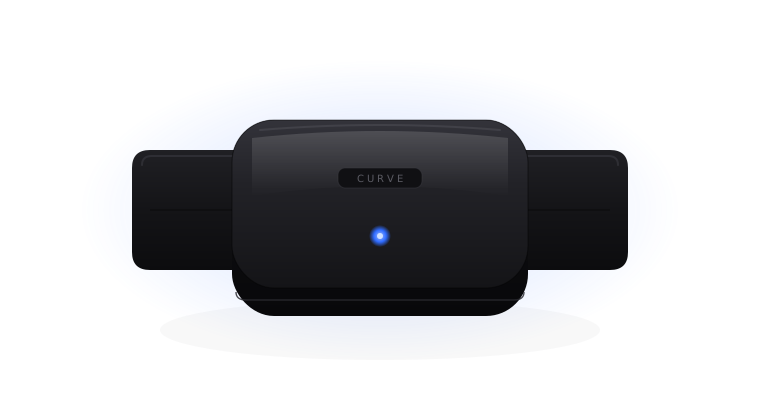
The Auromone Curve, a band still in development, is designed to measure cortisol and show how it moves across a day. It does not detect, diagnose, screen for or monitor HPA axis suppression, adrenal insufficiency or any other condition, it is not on the same scale as a clinical laboratory result, and nothing it shows should change a steroid dose. How a cortisol wearable has to be tested before any reading can be trusted, and where ours stands, is set out in how a cortisol wearable is validated. If you want to know what is wrong with you, that is a doctor.
What to take from this
- The axis is real, and so is its suppression. Steroids by any route, including inhalers, creams and joint injections, can switch off your own cortisol production.
- Never stop or cut a steroid on your own. Ask the prescriber for a taper plan, and if you have already stopped, call them today.
- Feeling fine is not proof of recovery. Most people with measured suppression report no symptoms until illness, injury or surgery arrives.
- Know the crisis signs and carry the card. Vomiting means a tablet will not work; no fever does not mean no crisis.
- Testing belongs to a clinician. Morning blood cortisol first, then an ACTH stimulation test if the answer is unclear.
- "HPA axis dysfunction" as a stress label is not a diagnosis. Get the real causes of exhaustion checked with ordinary blood work.
This page is general medical information, not medical advice, and not a diagnosis. It summarizes published clinical guidance and peer-reviewed literature from the sources below. Steroid tapering, adrenal insufficiency, depression, PTSD, anxiety disorders, chronic fatigue syndrome and every disorder of the HPA axis are diagnosed and treated by qualified healthcare professionals. Never start or stop a hormone, a steroid or a supplement on your own. If you suspect an adrenal crisis, seek emergency care immediately. If you are in a mental health crisis, call or text 9-8-8.
References
- Beuschlein F, Else T, Bancos I, et al. European Society of Endocrinology and Endocrine Society Joint Clinical Guideline: Diagnosis and Therapy of Glucocorticoid-induced Adrenal Insufficiency. Journal of Clinical Endocrinology and Metabolism. 2024;109(7):1657-1683; published jointly in the European Journal of Endocrinology. (Mechanism of suppression; any route; at least 1% on long-term glucocorticoids; the by-route table; 10 of 98 symptomatic; 3 to 4 weeks and 3 months risk bands; risk factors; Table 5 on withdrawal syndrome; morning cortisol bands of 150 and 300 nmol/L; 250 µg ACTH test and the 500 nmol/L, 18.1 µg/dL peak; crisis definition, triggers and first-manifestation warning; 100 mg hydrocortisone; deaths after cessation; awareness gap; physiologic dose of 4 to 6 mg prednisone.)
- Broersen LHA, Pereira AM, Jørgensen JOL, Dekkers OM. Adrenal insufficiency in corticosteroids use: systematic review and meta-analysis. Journal of Clinical Endocrinology and Metabolism. 2015;100(6):2171-2180. (74 studies, 3,753 participants; percentages by route, dose and duration; no form, dose, duration or disease for which adrenal insufficiency can be excluded with certainty.)
- Huecker MR, Bhutta BS, Dominique E. Adrenal Insufficiency. StatPearls (NCBI Bookshelf), last updated 17 August 2023. (Exogenous steroids as the most common cause of tertiary adrenal insufficiency; no skin darkening in secondary adrenal insufficiency.)
- Elshimy G, Chippa V, Kaur J, Jeong JM. Adrenal Crisis. StatPearls (NCBI Bookshelf), last updated 15 February 2025. (Gastrointestinal and flu-like illness as the most common trigger; abrupt cessation, including of inhaled and topical steroids; the 10% of deaths figure; doubling the oral dose above 38 °C and tripling it above 39 °C.)
- Kaur J, Gandhi J, Sharma S. Physiology, Cortisol. StatPearls (NCBI Bookshelf), last updated 1 December 2025. (The CRH, ACTH and cortisol cascade; negative feedback on the hypothalamus and pituitary; the circadian pattern.)
- NIDDK, National Institutes of Health. Adrenal Insufficiency & Addison's Disease: Symptoms & Causes. (Symptom list; skin darkening in Addison's disease; suddenly stopping corticosteroids as the most common cause of adrenal insufficiency overall.)
- MedlinePlus, U.S. National Library of Medicine. Prednisone. Last revised 20 June 2024. (Symptoms after stopping suddenly; prednisone may prevent you developing symptoms of an infection.)
- MedlinePlus, U.S. National Library of Medicine. ACTH stimulation test. Reviewed 13 July 2025. (How the test is performed.)
- NHS. Steroids. Page last reviewed 19 June 2025. (Do not stop without talking to your doctor; gradual reduction after more than 3 weeks or a high dose; withdrawal symptoms.)
- NHS. Addison's disease. Page last reviewed 19 September 2025. (Adrenal crisis signs; call 999 even after an emergency injection.)
- Bornstein SR, Allolio B, Arlt W, et al. Diagnosis and Treatment of Primary Adrenal Insufficiency: An Endocrine Society Clinical Practice Guideline. Journal of Clinical Endocrinology and Metabolism. 2016;101(2):364-389. (The 250 µg short corticotropin test as the diagnostic gold standard.)
- Endocrine Society. Adrenal Fatigue. (No scientific proof; the tests are not based on scientific facts; supplements can leave the glands "asleep" for months; conditions that get missed.)
- Cadegiani FA, Kater CE. Adrenal fatigue does not exist: a systematic review. BMC Endocrine Disorders. 2016;16(1):48. (3,470 articles screened, 58 included; 51.9% and 61.5%; glucocorticoid therapy should be avoided.)
- Stetler C, Miller GE. Depression and hypothalamic-pituitary-adrenal activation: a quantitative summary of four decades of research. Psychosomatic Medicine. 2011;73(2):114-126. (361 studies, 18,454 individuals, d = 0.60 and d = 0.33.)
- The APA Task Force on Laboratory Tests in Psychiatry. The dexamethasone suppression test: an overview of its current status in psychiatry. American Journal of Psychiatry. 1987;144(10):1253-1262. (Sensitivity and specificity; the test does not predict antidepressant response.)
- Nelson JC, Davis JM. DST studies in psychotic depression: a meta-analysis. American Journal of Psychiatry. 1997;154(11):1497-1503. (64% and 41% non-suppression rates.)
- Meewisse ML, Reitsma JB, de Vries GJ, Gersons BPR, Olff M. Cortisol and post-traumatic stress disorder in adults: systematic review and meta-analysis. British Journal of Psychiatry. 2007;191:387-392. (37 studies, 828 and 800 participants, pooled SMD of -0.12.)
- Zorn JV, Schür RR, Boks MP, et al. Cortisol stress reactivity across psychiatric disorders: a systematic review and meta-analysis. Psychoneuroendocrinology. 2017;77:25-36. (Sex-dependent blunting and the study counts.)
- Papadopoulos AS, Cleare AJ. Hypothalamic-pituitary-adrenal axis dysfunction in chronic fatigue syndrome. Nature Reviews Endocrinology. 2012;8(1):22-32. (Mild hypocortisolism, the moderating factors, and "steroid replacement is not recommended".)
- Akturk HK, Chindris AM, Hines JM, Singh RJ, Bernet VJ. Over-the-Counter "Adrenal Support" Supplements Contain Thyroid and Steroid-Based Adrenal Hormones. Mayo Clinic Proceedings. 2018;93(3):284-290. (12 supplements; triiodothyronine in all; budesonide in 25%; daily exposure at label doses.)
- Addison's Disease Self-Help Group. Sick day rules. (Patient guidance on vomiting, the emergency injection, and going to hospital after injecting.)
- 9-8-8 Suicide Crisis Helpline, Canada. Call or text 9-8-8, 24 hours a day, every day of the year.