| Apple Watch | Vitals app | Overnight heart rate, respiratory rate, blood oxygen, wrist temperature and sleep duration. On Series 12 and Ultra 4, HRV replaces sleep duration, and daytime resting heart rate and HRV are added | A typical range for each metric, and a next-morning notification when several metrics fall outside it | No | Apple Support | 6 Nov 2026 |
|---|
| Apple Watch | Readiness app (Series 12 and Ultra 4) | Active calories, workout effort ratings, training load, overnight vitals, daytime heart rate and sleep score | A score from 0 to 10: Recover, Pace Yourself, Ready, Go For It | No | Apple Watch User Guide | 6 Nov 2026 |
|---|
| Apple Watch | State of Mind (Mindfulness app) | Your own log of momentary emotions and daily mood | A self-reported entry. Apple's guide lists no stress score | No | Apple Watch User Guide | 6 Nov 2026 |
|---|
| Apple Watch | Cycle Tracking | Logged cycle data, heart rate data and, overnight, wrist temperature | Period and fertile window predictions, and retrospective ovulation estimates where available | No | Apple Watch User Guide | 6 Nov 2026 |
|---|
| Oura Ring | Daytime Stress | Heart rate, HRV, motion and average body temperature, against a baseline recalibrated daily | Four zones: Stressed, Engaged, Relaxed, Restored. Updated every 15 minutes while awake and relatively inactive | No | Oura Member Care | 6 Nov 2026 |
|---|
| Oura Ring | Resilience | Daytime stress load, daytime recovery and nighttime recovery over 14 days | Five levels: Exceptional, Strong, Solid, Adequate, Limited | No | Oura Member Care | 6 Nov 2026 |
|---|
| Oura Ring | Cumulative Stress | Sleep continuity, heart stress-response, sleep micromotions, temperature regulation and activity impact over 31 days | A weekly rating of low, moderate or high | No | Oura Member Care | 6 Nov 2026 |
|---|
| Oura Ring | Readiness Score | Lowest resting heart rate and its timing, average body temperature, sleep quality and previous-day movement, plus longer HRV, sleep and activity balance | A score from 0 to 100 | No | Oura Member Care | 6 Nov 2026 |
|---|
| Oura Ring | Cycle Insights | Body temperature trends and logged cycle information | Cycle phase and period prediction. Oura says Fertile Window is a CE-marked medical device in the EU and is not a method of birth control | No | Oura blog | 6 Nov 2026 |
|---|
| Oura | Health Panels (blood test, sold separately) | A blood draw at a Quest location, US only | Results across 50 blood biomarkers, for US$99 when scheduled through Oura. Insulin is listed. Cortisol is not | Yes, insulin, in a blood draw, not from the ring | Oura Member Care | 6 Nov 2026 |
|---|
| WHOOP | Recovery | Resting heart rate and HRV, plus blood oxygen and skin temperature on 4.0 hardware | A percentage from 0 to 100, calculated on waking | No | WHOOP developer docs | 6 Nov 2026 |
|---|
| WHOOP | Stress Monitor | Heart rate and HRV in the moment, compared with a baseline from the past 14 days, with motion taken into account | A real-time score from 0 to 3 | No | WHOOP | 6 Nov 2026 |
|---|
| WHOOP | Advanced Labs (blood test, sold separately) | A blood draw at a Quest location. WHOOP says no wearable is required | Results across 122+ biomarkers. Cortisol is named among them | Yes, in a blood draw, not from the band | WHOOP | 6 Nov 2026 |
|---|
| Garmin | Stress level | HRV, analyzed while you are inactive | A level from 0 to 100, from resting state to high stress | No | Lily owner's manual | 6 Nov 2026 |
|---|
| Garmin | Body Battery | HRV, stress level, sleep quality and activity data | A level from 5 to 100, described as available reserve energy | No | Venu 3 owner's manual | 6 Nov 2026 |
|---|
| Garmin | Training Readiness | Last night's sleep score, recovery time, HRV status, acute load, 3 nights of sleep history and 3 days of stress history | A score and a short message | No | Forerunner 965 owner's manual | 6 Nov 2026 |
|---|
| Samsung Galaxy Watch | Stress | HRV, per Samsung's Galaxy Watch5 support page | A stress level in Samsung Health. Samsung says it may differ from an individual's emotional state | No | Samsung Support | 6 Nov 2026 |
|---|
| Samsung Galaxy Watch | Energy Score | The previous day's physical activity and sleep patterns | A daily score of physical and mental readiness | No | Samsung Health | 6 Nov 2026 |
|---|
| Samsung Galaxy Watch | Vitals | Overnight heart rate, HRV, respiratory rate, skin temperature and blood oxygen, against a resting baseline | Notifications when Samsung's model finds a meaningful deviation | No | Samsung Newsroom, 4 Jun 2026 | 6 Nov 2026 |
|---|
| Samsung Galaxy Watch | Predict cycle with skin temperature | Skin temperature during sleep, Galaxy Watch5 and later | A cycle prediction, including ovulation timing | No | Samsung Support | 6 Nov 2026 |
|---|
| Fitbit and Pixel Watch | Resilience score | Heart rate, HRV and electrodermal activity where available, plus exertion balance and sleep patterns | A daily rating: Optimal, Balanced or Low | No | Google Health Help | 6 Nov 2026 |
|---|
| Fitbit and Pixel Watch | Body responses | "Physiological signals" from continuous sensors. The individual signals are not named on this page | An alert about 10 minutes later, prompting you to log how you feel | Not stated | Google Health Help | 6 Nov 2026 |
|---|
| Fitbit and Pixel Watch | EDA scan | Electrodermal activity, which Google defines as tiny changes in the sweat level of the skin | A count of EDA responses. Google says these may come from stress, movement, noise or temperature | No | Google Health Help | 6 Nov 2026 |
|---|
| Ultrahuman Ring | Dynamic Recovery | Sleep, resting heart rate, HRV, skin temperature and stress rhythm | A score from 0 to 100 | No | Ultrahuman explainer | 6 Nov 2026 |
|---|
| Ultrahuman Ring | Stress Rhythm | How heart rate and HRV move across the day | A contributor that can move Dynamic Recovery by up to 10 points either way | No | Ultrahuman explainer | 6 Nov 2026 |
|---|
| Ultrahuman Ring | Cycle Tracking and Ovulation Confirmation | Overnight temperature, resting heart rate and HRV, against a 30-day baseline | Cycle tracking, and ovulation confirmed after a sustained temperature rise | No | Ultrahuman | 6 Nov 2026 |
|---|
| Ultrahuman | Blood Vision (blood test, sold separately) | A blood sample taken by a collection partner | Results across 100+ biomarkers. Cortisol, DHEA-sulfate, testosterone, estradiol and others are listed | Yes, in a blood sample, not from the ring | Ultrahuman | 6 Nov 2026 |
|---|
| Hume Band | Strain, Recovery and Metabolic Capacity | Resting heart rate, HRV, blood oxygen, respiratory rate, body temperature, movement and sleep stages | A daily capacity score, with stress classified from heart rate and HRV while movement is low | No | Hume guide | 6 Nov 2026 |
|---|
| Clair (pre-order, ships Jan 2027) | Hormone insights | Physiological signals from the wrist, which Clair says span cardiovascular, thermoregulatory, autonomic and electrodermal domains | Hormone insights over time, from models Clair says are trained against hormone measurements and calibrated to urine hormone levels | Estimated by a model. The sensor inputs named are physiological signals | Clair | 6 Nov 2026 |
|---|
| Polar | Nightly Recharge | Heart rate, HRV and breathing rate over roughly the first 4 hours of sleep, plus sleep data | A status from very poor to very good, and an ANS charge from -10 to +10 | No | Polar 360 manual
Polar Support | 6 Nov 2026 |
|---|
| Amazfit | Stress | Change in HRV, read every 5 minutes when automatic monitoring is on | A stress value through the day | No | Helio Strap manual | 6 Nov 2026 |
|---|
| Amazfit | Morning energy score (called Body Battery in the Helio Strap manual) | Sleep, HRV, resting heart rate and activity data from the last 3 days | A morning score | No | Helio Strap manual | 6 Nov 2026 |
|---|
| RingConn | Stress Score | HRV, using RMSSD. RingConn says the score reflects bodily patterns, not emotions | A continuous stress score and timeline | No | RingConn guide | 6 Nov 2026 |
|---|
| RingConn | Cycle Insights | Skin temperature trends and cycle history | Menstrual forecasts | No | RingConn | 6 Nov 2026 |
|---|
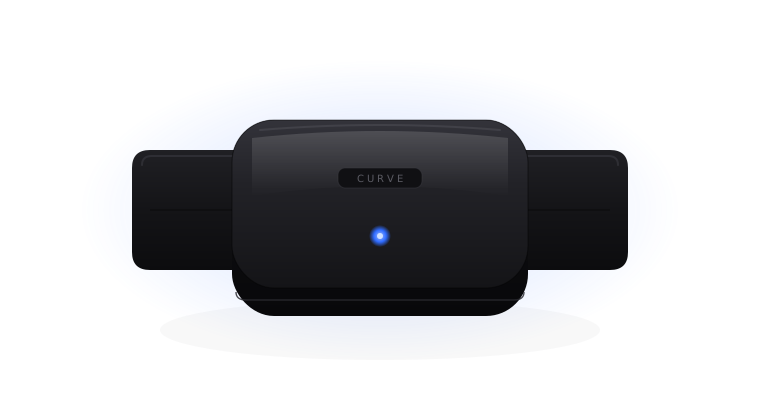
| Auromone Curve (in development) | Cortisol reading | Designed to read cortisol from a trace of sweat at the wrist | Designed to show your own cortisol curve. No accuracy figure published. Not on sale yet | Designed to. Not yet proven in a shipped product | Auromone | 6 Nov 2026 |
|---|