Read this first: when a supplement question is a doctor question.
- Yellow skin or eyes on ashwagandha: stop taking it and see a doctor the same day. NIH's LiverTox database lists ashwagandha as a cause of clinically apparent liver injury. In a case series from Iceland and the US Drug-Induced Liver Injury Network, all five patients developed jaundice, with nausea, tiredness, itching or abdominal discomfort, 2 to 12 weeks after starting. If itching, nausea or unusual tiredness appears weeks into a course, do not wait for the yellowing: stop and ask for a liver blood test.
- If you already have liver disease, do not start ashwagandha on your own. In a case series from India of 8 people with liver injury from single-ingredient ashwagandha, 3 had existing chronic liver disease. All 3 developed acute-on-chronic liver failure, and all 3 died.
- A racing or irregular heartbeat after starting ashwagandha, especially if you take thyroid medicine, is a reason to stop and be seen promptly. Ashwagandha raised thyroid hormone levels in a placebo-controlled trial, and a 73-year-old woman who took it for two years developed an overactive thyroid that showed up as a fast heart rhythm (supraventricular tachycardia), which resolved when she stopped. If a racing heart comes with chest pain, fainting or severe breathlessness, call 911 or your local emergency number.
- Pregnant or breastfeeding: ask the clinician looking after you before taking any of these. NIH's NCCIH says ashwagandha should be avoided during pregnancy and not used while breastfeeding, and that little is known about rhodiola's safety in either. Pregnancy itself changes cortisol levels, so a reading in pregnancy is not something to correct with a supplement.
- If you take steroid medicine by any route (tablets, inhalers, creams, nasal sprays, joint injections) or have adrenal insufficiency, no supplement replaces your treatment. Never stop or reduce a prescribed steroid or hydrocortisone on your own, and do not add an "adrenal support" blend: in a Mayo Clinic lab analysis, a quarter of the products tested contained the steroid budesonide. Read what happens when you come off steroids and the signs of low cortisol.
- If you are here because of a rounder face, purple stretch marks, easy bruising or weak hip and shoulder muscles, see a doctor rather than a supplement aisle. MedlinePlus lists these among the signs of Cushing syndrome, whose most common cause is glucocorticoid (steroid) medicine. It is diagnosed with specific lab tests, and one normal test does not always settle it.
Do cortisol supplements actually work?
Some lower cortisol on average in trials. None has been shown to lower any one person's cortisol, and none treats a cortisol disorder. The evidence is uneven. Ashwagandha has the most trials and several meta-analyses. Magnesium, phosphatidylserine, fish oil and vitamin C each have a handful of small trials, some without a placebo group. L-theanine's month-long trial found no change in cortisol. Rhodiola's cortisol trial was in people with stress-related fatigue.
"Lowers cortisol" also means different things from trial to trial, and the differences matter:
- A lower morning blood level after weeks of taking it. This is what the ashwagandha trials below measured.
- Less cortisol in a 24-hour urine collection, which is how one magnesium trial measured it.
- A smaller spike in response to exercise or a laboratory stress test. Phosphatidylserine and fish oil were tested this way.
- A faster return to baseline after a stressor, without a smaller spike. That was the vitamin C result.
None of those is the same as "my cortisol will be lower," and lower is not always the goal: cortisol is a rhythm, normally highest in the morning, and a strong morning rise is part of it. The habits with the best evidence behind them, and why pushing the number down is the wrong frame, are in how to lower cortisol. Supplements are also not approved by the U.S. Food and Drug Administration before they are sold, as NIH's NCCIH notes; manufacturers are responsible for evaluating their own products' safety and labeling. The testosterone half of the same aisle has been counted separately in cortisol and testosterone.
Which supplements have been tested on cortisol?
These are the trials this guide draws on, each with the number of people, what they took and for how long, and what happened to cortisol. Doses are reported as what each trial used, for context. They are not recommendations.
| Trial | What the trial used | What cortisol did | What it doesn't settle |
|---|---|---|---|
| Magnesium Abbasi, 2012 46 older adults with insomnia | 500 mg magnesium a day (as oxide) for 8 weeks, against placebo | Blood cortisol fell compared with placebo | One blood sample before and after, in older adults with insomnia |
| Magnesium Schutten, 2021 49 overweight adults, 45 to 70 | 350 mg magnesium citrate a day for 24 weeks, against placebo | 24-hour urine cortisol 32 nmol lower than placebo | A post-hoc analysis of a trial designed for a different question |
| Magnesium Dmitrašinović, 2016 23 amateur rugby players | 500 mg a day for 4 weeks; the control group took nothing | Lower around a match; ACTH, the hormone that drives cortisol, was higher | No placebo; 13 players against 10 |
| Magnesium Khalid, 2024 290 adults with diabetes and insomnia | 250 mg twice a day for 2 months, against placebo | Blood cortisol fell in the magnesium groups, not with placebo | Single-blind; people with diabetes |
| Ashwagandha Chandrasekhar, 2012 64 adults with chronic stress | 300 mg root extract twice a day for 60 days, against placebo | Morning blood cortisol down 27.9%, against 7.9% on placebo | Extract provided by its manufacturer |
| Ashwagandha Salve, 2019 60 stressed adults | 250 or 600 mg extract a day for 8 weeks, against placebo | Morning blood cortisol fell at both doses, more at 600 mg | 20 people per group; extract gifted by its manufacturer |
| Ashwagandha Lopresti, 2019 60 adults with mild stress | 240 mg extract a day for 60 days, against placebo | Morning cortisol down 23%, against a 0.5% rise on placebo | Funded by the extract's manufacturer |
| Ashwagandha Fornalik, 2026 (meta-analysis) 23 trials, 1,706 people | Different extracts and doses | Lower on average than placebo; thyroxine (T4) rose modestly | Trials differed widely; data thin for some outcomes |
| Phosphatidylserine Monteleone, 1992 9 healthy men | 800 mg a day, derived from brain cortex, for 10 days | Blunted the cortisol and ACTH response to exercise | Nine people; exercise stress only |
| Phosphatidylserine Starks, 2008 10 healthy men | 600 mg a day for 10 days, crossover against placebo | Peak cortisol after cycling 39% lower, total 35% lower | Ten people; one exercise test |
| Phosphatidylserine Hellhammer, 2014 75 men | 400 mg phosphatidylserine plus 400 mg phosphatidic acid a day for 42 days | Smaller response to a stress test in highly stressed men only; half the dose did nothing | No change in how stressed the men felt |
| L-theanine Hidese, 2019 30 adults | 200 mg a day for 4 weeks, crossover against placebo | No significant change in saliva or blood | Sleep and mood scores improved while cortisol did not |
| L-theanine White, 2016 34 adults | One drink containing 200 mg L-theanine and other nutrients | Smaller response to a task at 3 hours, not at 1 hour | A single dose of a mixed drink; funded by a company grant |
| Rhodiola Olsson, 2009 60 adults with stress-related fatigue | 576 mg of one extract (SHR-5) a day for 28 days, against placebo | Cortisol response to waking differed from placebo | The placebo group also improved on several scales |
| Fish oil Delarue, 2003 7 healthy men | 7.2 g fish oil a day for 3 weeks | Rise during a mental stress test was blunted | No placebo group; seven people |
| Omega-3 Madison, 2021 138 midlife adults | 1.25 or 2.5 g omega-3 a day for 4 months, against placebo | 19% lower during a stress test at 2.5 g a day | A laboratory stressor, not everyday levels |
| Vitamin C Brody, 2002 120 young adults | 3,000 mg sustained-release a day for 14 days, against placebo | Faster recovery after a stress test, but not a smaller overall response | One laboratory stressor |
| Vitamin C Peters, 2001 45 ultramarathon runners | 500 or 1,500 mg a day around a 90 km race, against placebo | Lower straight after the race at 1,500 mg only | Only 29 runners completed every requirement; the effect was short-lived |
Each row is summarized from the paper listed under References. Creatine is not in the table because its trials show no consistent effect on cortisol, as covered in does creatine raise cortisol.
Does magnesium lower cortisol?
In four small trials, cortisol was lower with magnesium, but none of them recruited people with high cortisol, and the evidence is too thin to say it will lower yours. Three of the four compared magnesium with a placebo.
- Older adults with insomnia. In a double-blind trial in Iran, 46 older adults took 500 mg of magnesium (as magnesium oxide) or a placebo every day for 8 weeks. Blood cortisol fell more with magnesium, and sleep time, sleep efficiency and time to fall asleep improved.
- Overweight middle-aged adults. A Dutch trial gave 49 adults aged 45 to 70 either 350 mg of magnesium citrate or a placebo for 24 weeks. Cortisol in their 24-hour urine was 32 nmol lower with magnesium. This was a post-hoc analysis, meaning the trial was designed to answer a heart-health question and cortisol was examined afterwards.
- Rugby players. In Serbia, 13 amateur players took 500 mg a day for 4 weeks and 10 took nothing. Cortisol was lower in the magnesium group the day before and the day of a match, while ACTH, the pituitary hormone that tells the adrenal glands to make cortisol, was higher. There was no placebo.
- Adults with diabetes and insomnia. A single-blind trial in Pakistan followed 290 adults for 2 months. Blood cortisol fell in the groups given 250 mg of magnesium twice a day, alone or with potassium, and not in the placebo group.
Most magnesium research measures how people feel rather than their cortisol. A 2017 systematic review in Nutrients found 18 studies of magnesium and anxiety or stress. All of them recruited people already vulnerable to anxiety, none used a validated measure of stress, and the authors rated the quality of the evidence as poor. A 2018 trial in 264 adults with high stress scores and low blood magnesium found stress scores fell by about 42 to 45% over 8 weeks with magnesium alone or with vitamin B6. It had no placebo group, so time and expectation cannot be separated from the magnesium, and several of its authors worked for Sanofi, which makes the product tested.
Magnesium is also discussed for sleep, which matters to cortisol because the two are tied together; that relationship is set out in cortisol and sleep.
Which magnesium supplement is best for cortisol?
No form has been shown to be better for cortisol. The trials that measured cortisol used magnesium oxide and magnesium citrate, and the large stress trial used magnesium lactate. None of the trials we found compared forms head to head on cortisol, so claims that one form "targets" cortisol go beyond what has been tested. One caution applies to every form: MedlinePlus notes that side effects from high magnesium intake are uncommon except in people with significantly reduced kidney function, and that excess most often comes from supplements. If your kidneys don't work well, ask a clinician before taking magnesium at all.
Does ashwagandha lower cortisol?
On average in trials, yes, modestly. It has more cortisol trials than any other supplement here, and the three trials below were all funded or supplied by the companies that make the extracts.
Three of these trials share a design: stressed adults, a standardized root extract, a morning blood sample before and after, and a placebo group.
- Chandrasekhar, 2012. 64 adults with a history of chronic stress took 300 mg of a root extract twice a day, or a placebo, for 60 days. Morning blood cortisol fell 27.9% from baseline with ashwagandha and 7.9% with placebo.
- Salve, 2019. 60 adults with high scores on the Perceived Stress Scale took 250 mg a day, 600 mg a day or a placebo for 8 weeks. Morning blood cortisol fell at both doses compared with placebo, and more at 600 mg. The extract was gifted by its manufacturer.
- Lopresti, 2019. 60 adults with mild stress took 240 mg of a different extract, or a placebo, for 60 days. Morning cortisol fell 23% with ashwagandha and rose 0.5% with placebo. The extract's manufacturer funded the study.
The pooled evidence points the same way on cortisol, and disagrees on how people feel. A 2026 meta-analysis in Planta Medica combined 23 randomized trials with 1,706 people and found lower cortisol with ashwagandha. A 2025 meta-analysis of 7 trials found cortisol 1.16 µg/dL lower on average, but no significant change in perceived stress, which the author called a disconnect. A 2024 meta-analysis of 9 trials with 558 people did find lower perceived stress and anxiety scores. A 2021 systematic review of 52 trials of plants and the stress axis concluded that a morning cortisol-lowering effect from ashwagandha was the most consistent finding across all the plants reviewed.
What the trials do not settle:
- Which product. The trials used specific branded extracts at specific strengths, and the 2026 meta-analysis suggested the effect may depend on withanolide content. A different product is a different test.
- How long. Most trials ran for about two months. NCCIH says ashwagandha may be safe in the short term, up to 3 months, and that there is not enough information to reach conclusions about long-term safety.
- What else it changes. The 2026 meta-analysis found thyroxine (T4) rose by 0.61 µg/dL on average, and testosterone rose in men. Those are not side notes if you have a thyroid condition; see the safety box at the top of this page and the side effects below.
Does phosphatidylserine lower cortisol?
In three small trials it blunted the cortisol spike from exercise or a stress test. None of them measured cortisol across an ordinary day. Phosphatidylserine is a phospholipid, one of the fats that make up cell membranes.
- Monteleone, 1992. 9 healthy men took 800 mg a day of phosphatidylserine derived from brain cortex, or a placebo, for 10 days. It blunted the ACTH and cortisol responses to exercise.
- Starks, 2008. 10 healthy men took 600 mg a day or a placebo for 10 days each, in random order. After 15 minutes of cycling that built from moderate to hard effort, peak cortisol was 39% lower and total cortisol over the session and recovery 35% lower than with placebo.
- Hellhammer, 2014. 75 men took a soy-based complex of 400 mg phosphatidylserine and 400 mg phosphatidic acid a day, half that dose, or a placebo, for 42 days, then did a public-speaking and mental arithmetic stress test. The full dose reduced the cortisol and ACTH response only in men with high chronic stress, not in those with low stress. Half the dose had no effect, and neither dose changed how stressed the men said they felt.
So the evidence is about a narrow question, the size of a spike to a provoked stressor, in men, over 10 to 42 days. It does not show what phosphatidylserine does to a normal day's rhythm, in women, or over months.
What about L-theanine, rhodiola, fish oil and vitamin C?
Each has one to two trials with a cortisol result, and each result is narrower than the label on the bottle.
L-theanine
L-theanine is an amino acid from the tea plant; a cup of tea contains around 25 mg. In a Japanese crossover trial, 30 adults took 200 mg a day or a placebo for 4 weeks. Depression, anxiety and sleep-quality scores improved, but the authors reported no significant effect on cortisol in saliva or blood. The tablets were supplied by Taiyo Kagaku, a company whose employees were among the authors. In an Australian crossover trial, 34 adults drank a single drink containing 200 mg of L-theanine plus other nutrients. Their cortisol response to a demanding task was smaller 3 hours after the drink but not after 1 hour. That trial was funded by a grant from a company, Neurobrands.
Rhodiola
In a Swedish trial, 60 adults aged 20 to 55 with stress-related fatigue took 576 mg a day of one rhodiola extract (SHR-5) or a placebo for 28 days. Their cortisol response to waking differed from placebo, and burnout scores and attention measures improved. The placebo group also improved on several scales, which is a reminder of how much people change in a trial whatever they take. NCCIH's summary is blunt: most research on rhodiola in people is of low to moderate quality, and "we haven't learned enough to say whether rhodiola is useful for any health-related purpose."
Fish oil and omega-3
In a French study, 7 healthy men took 7.2 g of fish oil a day for 3 weeks. Afterwards, the rise in cortisol during a 30-minute mental arithmetic and colour-word test was blunted. There was no placebo group. A larger American trial gave 138 sedentary, overweight, middle-aged adults 1.25 g or 2.5 g of omega-3 a day, or a placebo, for 4 months. During a public-speaking stress test, the 2.5 g group's cortisol was 19% lower overall than placebo. Both studies measured the response to a laboratory stressor, not cortisol through an ordinary day.
Vitamin C
In a German trial, 120 healthy young adults took 3,000 mg a day of sustained-release vitamin C or a placebo for 14 days, then did a public-speaking and mental arithmetic test. The vitamin C group's saliva cortisol recovered faster, but the overall cortisol response was not smaller. Blood pressure and felt stress rose less. In South Africa, 45 runners in a 90 km ultramarathon took 500 mg, 1,500 mg or a placebo for the week before, the day of and two days after the race. Cortisol straight after the race was lower in the 1,500 mg group only, and the authors called the effect transient. Only 29 runners met every requirement of the study.
What is in "adrenal support" supplements?
In one laboratory analysis, hormones that should not be in an over-the-counter supplement. Endocrinologists at the Mayo Clinic bought 12 dietary supplements marketed for "adrenal support" or "adrenal fatigue" and tested them, blinded, for thyroid and steroid hormones. Published in Mayo Clinic Proceedings in 2018, the results were:
- All 12 contained detectable thyroid hormone (T3).
- 42% contained pregnenolone, a steroid precursor.
- 25% contained budesonide, a synthetic steroid drug.
- 8% contained cortisol itself, and 8% contained cortisone.
The amounts were small, and the authors concluded that the results highlight the potential risks of hidden ingredients in unregulated supplements. The condition these products are sold for is the bigger problem. Adrenal fatigue is not a recognized diagnosis: a 2016 systematic review of 58 studies found no substantiation that it is an actual medical condition. Low cortisol from the adrenal glands is real, and it is called adrenal insufficiency; it is diagnosed with blood tests and treated with prescribed hormone replacement, not with a blend. The same logic applies to anything sold as a cortisol detox.
What are the side effects of cortisol supplements?
They depend on the supplement, and the serious ones are in the box at the top of this page. Here is the rest, from NIH's National Center for Complementary and Integrative Health (NCCIH) and the trials above.
- Ashwagandha. Drowsiness, stomach upset, diarrhea and vomiting in some people. NCCIH says it is not recommended for people about to have surgery or with autoimmune or thyroid disorders, that people with hormone-sensitive prostate cancer should avoid it because it may raise testosterone, and that it may interact with medicines for diabetes and high blood pressure, immunosuppressants, sedatives, anti-seizure medicines and thyroid hormone. In one of the liver injury cases, rhodiola taken alongside ashwagandha was a possible joint cause.
- Magnesium. Diarrhea was the most common side effect in the 264-person stress trial, reported by 7.6% of people taking magnesium alone. Reduced kidney function raises the risk of too much magnesium.
- Rhodiola. Dizziness, headache, insomnia, and either dry mouth or excess saliva. NCCIH says it is possibly safe for up to 12 weeks and that an interaction with losartan, a blood pressure drug, has been reported.
- Fish oil and omega-3. Usually mild: an unpleasant taste, bad breath, bad-smelling sweat, headache, heartburn, nausea and diarrhea. Fish liver oils also contain vitamins A and D, which can be harmful in excess.
- Vitamin C, L-theanine and phosphatidylserine. In the trials above, side effects with vitamin C did not differ from placebo over 14 days, and the 4-week L-theanine trial reported no significant adverse events. Those trials lasted 10 days to 6 weeks, which is too short to show long-term safety.
- "Adrenal support" blends. Undeclared thyroid and steroid hormones, as above.
If you take any prescription medicine, show the bottle to your pharmacist or doctor before you start. Many of these interactions are with common drugs.
Why doesn't "lowers cortisol" in a trial mean it lowers yours?
Because a trial reports the average of a selected group, measured at one time of day, against a placebo group whose cortisol often moved too. Each of those limits applies to you.
- An average hides the spread. A 23% average fall can include people who changed more, less, or in the other direction. Trials of a few dozen people per group are too small to say who responds.
- Cortisol moves without the supplement. In the Chandrasekhar trial, morning cortisol fell 7.9% in the placebo group. In the rhodiola trial, the placebo group improved on several scales. The large magnesium stress trial had no placebo at all.
- The people were chosen. Adults with high stress scores, older adults with insomnia, rugby players, adults with diabetes, people with stress-related fatigue. A result in one group is not a result in another.
- One sample, one time of day. Most ashwagandha trials took a single morning blood sample; the L-theanine trial sampled at midday. A morning value says little about the evening, and a stress-test spike says little about either.
- Feeling and hormone can split. One ashwagandha meta-analysis found cortisol lower but perceived stress unchanged; the L-theanine trial found symptoms better and cortisol unchanged. Neither result tells you which one you would get.
How can you tell if a supplement is changing your cortisol?
Not from one test before and one after. MedlinePlus explains that cortisol is normally at its highest in the morning and much lower by around 4 p.m., which is why blood tests are often taken twice in a day, and that stress, exercise, hot and cold temperatures, some medicines and pregnancy all change it. The average effects in the trials above are modest, and placebo groups moved as well. A single pair of readings can shift by that much for reasons that have nothing to do with what you took.
What it takes is closer to what the trials did, applied to one person:
- Set a baseline first. Readings at the same times of day over several days, before you change anything, so you know your own normal range.
- Change one thing. Starting a supplement in the same month as a new training plan or a better sleep routine makes it impossible to say which did what.
- Give it the trials' timescale. The multi-week trials above ran from 4 to 24 weeks.
- Compare the pattern, not two numbers. The morning rise, the afternoon fall and the evening low, against your own baseline.
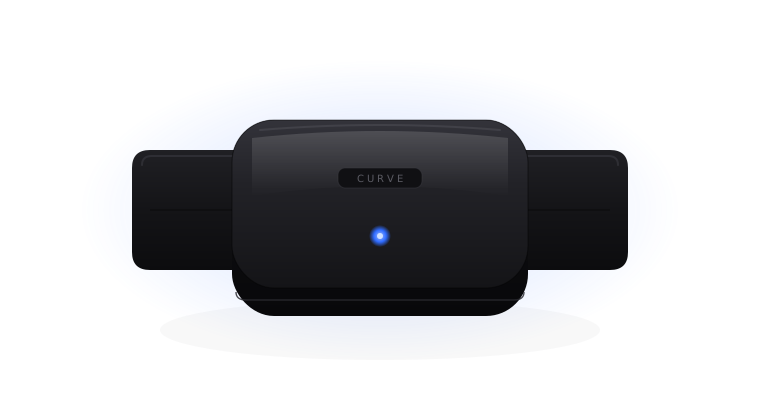
Saliva kits sampled at set times can do a version of this today; what they measure, what they cost and their limits are covered in at-home cortisol tests, and the timing question in the best time to test cortisol. The Auromone Curve, in development, is designed to read cortisol from sweat on your wrist through the day, so a before-and-after comparison is designed to rest on many readings rather than two. How a cortisol wearable is shown to work, and why we publish no accuracy figure yet, is set out in how a cortisol wearable is validated. The Curve does not lower cortisol, does not diagnose or treat anything, and does not replace clinical testing.
What to take from this
- Ashwagandha has the most cortisol evidence, including manufacturer-supported trials of about two months, and a rare but real liver risk.
- Magnesium's cortisol evidence is four small trials in groups that may not look like you, with no form shown to be better than another.
- Phosphatidylserine, fish oil and vitamin C changed the response to a provoked stressor, not cortisol across an ordinary day.
- "Adrenal support" blends are the riskiest buy here, sold for a condition that does not exist and found to contain thyroid and steroid hormones.
- A trial's average is not your result. If you want to know what something does to your cortisol, compare your own pattern before and after, one change at a time.
References
- Fornalik M, Malkiewicz A, Adamczak D, et al. Hormonal modulation with Withania somnifera: systematic review and meta-analysis of randomized-controlled trials. Planta Medica. 2026;92(8):790-805. (23 trials, 1,706 people; lower cortisol; T4 up 0.61 µg/dL; testosterone up in men; possible dependence on withanolide content.)
- Albalawi AA. Dual impact of Ashwagandha: significant cortisol reduction but no effects on perceived stress. A systematic review and meta-analysis. Nutrition and Health. 2025;31(4):1395-1408. (7 trials on cortisol; 1.16 µg/dL lower; no significant change in perceived stress.)
- Arumugam V, Vijayakumar V, Balakrishnan A, et al. Effects of Ashwagandha (Withania somnifera) on stress and anxiety: a systematic review and meta-analysis. Explore. 2024;20(6):103062. (9 trials, 558 people; lower perceived stress, anxiety and serum cortisol.)
- Lopresti AL, Smith SJ, Drummond PD. Modulation of the hypothalamic-pituitary-adrenal (HPA) axis by plants and phytonutrients: a systematic review of human trials. Nutritional Neuroscience. 2022;25(8):1704-1730. (52 trials; morning cortisol lowering from ashwagandha the most consistent finding.)
- Chandrasekhar K, Kapoor J, Anishetty S. A prospective, randomized double-blind, placebo-controlled study of safety and efficacy of a high-concentration full-spectrum extract of ashwagandha root in reducing stress and anxiety in adults. Indian Journal of Psychological Medicine. 2012;34(3):255-262. (64 adults, 300 mg twice a day, 60 days; cortisol down 27.9% against 7.9% on placebo.)
- Salve J, Pate S, Debnath K, Langade D. Adaptogenic and anxiolytic effects of ashwagandha root extract in healthy adults: a double-blind, randomized, placebo-controlled clinical study. Cureus. 2019;11(12):e6466. (60 adults, 250 or 600 mg a day, 8 weeks; morning serum cortisol.)
- Lopresti AL, Smith SJ, Malvi H, Kodgule R. An investigation into the stress-relieving and pharmacological actions of an ashwagandha (Withania somnifera) extract: a randomized, double-blind, placebo-controlled study. Medicine (Baltimore). 2019;98(37):e17186. (60 adults, 240 mg a day, 60 days; cortisol down 23% against a 0.5% rise; funded by the extract's maker.)
- Abbasi B, Kimiagar M, Sadeghniiat K, et al. The effect of magnesium supplementation on primary insomnia in elderly: a double-blind placebo-controlled clinical trial. Journal of Research in Medical Sciences. 2012;17(12):1161-1169. (46 older adults, 500 mg as magnesium oxide, 8 weeks.)
- Schutten JC, Joris PJ, Minović I, et al. Long-term magnesium supplementation improves glucocorticoid metabolism: a post-hoc analysis of an intervention trial. Clinical Endocrinology. 2021;94(2):150-157. (49 adults, 350 mg magnesium citrate, 24 weeks; urinary cortisol 32 nmol/24 h lower.)
- Dmitrašinović G, Pešić V, Stanić D, et al. ACTH, cortisol and IL-6 levels in athletes following magnesium supplementation. Journal of Medical Biochemistry. 2016;35(4):375-384. (23 rugby players, 13 on 500 mg a day for 4 weeks, 10 controls.)
- Khalid S, Bashir S, Mehboob R, et al. Effects of magnesium and potassium supplementation on insomnia and sleep hormones in patients with diabetes mellitus. Frontiers in Endocrinology. 2024;15:1370733. (Single-blind; 290 of 320 completed 2 months; 250 mg twice a day.)
- Boyle NB, Lawton C, Dye L. The effects of magnesium supplementation on subjective anxiety and stress: a systematic review. Nutrients. 2017;9(5):429. (18 studies, all in anxiety-vulnerable samples; poor-quality evidence; no validated stress measure.)
- Pouteau E, Kabir-Ahmadi M, Noah L, et al. Superiority of magnesium and vitamin B6 over magnesium alone on severe stress in healthy adults with low magnesemia: a randomized, single-blind clinical trial. PLoS One. 2018;13(12):e0208454. (264 adults, 8 weeks, no placebo arm; stress scores down 44.9% and 42.4%; diarrhea in 7.6% on magnesium alone.)
- Monteleone P, Maj M, Beinat L, Natale M, Kemali D. Blunting by chronic phosphatidylserine administration of the stress-induced activation of the hypothalamo-pituitary-adrenal axis in healthy men. European Journal of Clinical Pharmacology. 1992;42(4):385-388. (9 men, 800 mg a day, 10 days.)
- Starks MA, Starks SL, Kingsley M, Purpura M, Jäger R. The effects of phosphatidylserine on endocrine response to moderate intensity exercise. Journal of the International Society of Sports Nutrition. 2008;5:11. (10 men, 600 mg a day, 10 days; peak 39% and area under the curve 35% lower.)
- Hellhammer J, Vogt D, Franz N, Freitas U, Rutenberg D. A soy-based phosphatidylserine/phosphatidic acid complex (PAS) normalizes the stress reactivity of hypothalamus-pituitary-adrenal-axis in chronically stressed male subjects: a randomized, placebo-controlled study. Lipids in Health and Disease. 2014;13:121. (75 men, 42 days; effect in high chronic stress only.)
- Hidese S, Ogawa S, Ota M, et al. Effects of L-theanine administration on stress-related symptoms and cognitive functions in healthy adults: a randomized controlled trial. Nutrients. 2019;11(10):2362. (30 adults, 200 mg a day, 4 weeks; no significant effect on saliva or serum cortisol.)
- White DJ, de Klerk S, Woods W, et al. Anti-stress, behavioural and magnetoencephalography effects of an L-theanine-based nutrient drink: a randomised, double-blind, placebo-controlled, crossover trial. Nutrients. 2016;8(1):53. (34 adults; smaller cortisol response at 3 hours; about 25 mg L-theanine in a cup of tea.)
- Olsson EM, von Schéele B, Panossian AG. A randomised, double-blind, placebo-controlled, parallel-group study of the standardised extract SHR-5 of the roots of Rhodiola rosea in the treatment of subjects with stress-related fatigue. Planta Medica. 2009;75(2):105-112. (60 adults, 576 mg a day, 28 days.)
- Delarue J, Matzinger O, Binnert C, et al. Fish oil prevents the adrenal activation elicited by mental stress in healthy men. Diabetes and Metabolism. 2003;29(3):289-295. (7 men, 7.2 g a day, 3 weeks, before and after.)
- Madison AA, Belury MA, Andridge R, et al. Omega-3 supplementation and stress reactivity of cellular aging biomarkers: an ancillary substudy of a randomized, controlled trial in midlife adults. Molecular Psychiatry. 2021;26(7):3034-3042. (138 adults, 4 months; 19% lower cortisol at 2.5 g a day.)
- Brody S, Preut R, Schommer K, Schürmeyer TH. A randomized controlled trial of high dose ascorbic acid for reduction of blood pressure, cortisol, and subjective responses to psychological stress. Psychopharmacology. 2002;159(3):319-324. (120 adults, 3,000 mg a day, 14 days; faster recovery, not a smaller response.)
- Peters EM, Anderson R, Nieman DC, Fickl H, Jogessar V. Vitamin C supplementation attenuates the increases in circulating cortisol, adrenaline and anti-inflammatory polypeptides following ultramarathon running. International Journal of Sports Medicine. 2001;22(7):537-543. (45 runners, 29 compliant; 1,500 mg a day.)
- Akturk HK, Chindris AM, Hines JM, Singh RJ, Bernet VJ. Over-the-counter "adrenal support" supplements contain thyroid and steroid-based adrenal hormones. Mayo Clinic Proceedings. 2018;93(3):284-290. (12 products; T3 in all; budesonide in 25%; cortisol in 8%.)
- Cadegiani FA, Kater CE. Adrenal fatigue does not exist: a systematic review. BMC Endocrine Disorders. 2016;16(1):48. (58 studies.)
- LiverTox, National Institute of Diabetes and Digestive and Kidney Diseases. Ashwagandha. Updated 3 December 2024. (Implicated in cases of clinically apparent liver injury.)
- Björnsson HK, Björnsson ES, Avula B, et al. Ashwagandha-induced liver injury: a case series from Iceland and the US Drug-Induced Liver Injury Network. Liver International. 2020;40(4):825-829. (5 patients; jaundice after 2 to 12 weeks; rhodiola a possible co-cause in one.)
- Philips CA, Valsan A, Theruvath AH, et al. Ashwagandha-induced liver injury: a case series from India and literature review. Hepatology Communications. 2023;7(10):e0270. (8 single-ingredient cases; 3 with chronic liver disease died after acute-on-chronic liver failure.)
- Sharma AK, Basu I, Singh S. Efficacy and safety of ashwagandha root extract in subclinical hypothyroid patients: a double-blind, randomized placebo-controlled trial. Journal of Alternative and Complementary Medicine. 2018;24(3):243-248. (50 adults, 600 mg a day, 8 weeks; T3 and T4 rose.)
- Kamal HI, Patel K, Brdak A, Heffernan J, Ahmad N. Ashwagandha as a unique cause of thyrotoxicosis presenting with supraventricular tachycardia. Cureus. 2022;14(3):e23494. (73-year-old woman after two years of use; resolved on stopping.)
- National Center for Complementary and Integrative Health (NIH). Ashwagandha. (Side effects, interactions, pregnancy and breastfeeding, short-term safety up to 3 months.)
- National Center for Complementary and Integrative Health (NIH). Rhodiola. Updated April 2025. (Evidence quality, side effects, losartan interaction, pregnancy; supplements not FDA-approved before sale.)
- National Center for Complementary and Integrative Health (NIH). Omega-3 supplements: what you need to know. Updated November 2024. (Side effects; vitamins A and D in fish liver oil.)
- MedlinePlus, U.S. National Library of Medicine. Cortisol test. (Highest in the morning, much lower around 4 p.m.; stress, exercise, temperature, medicines and pregnancy affect levels.)
- MedlinePlus, U.S. National Library of Medicine. Magnesium in diet. Reviewed 21 January 2025. (Side effects uncommon except with significantly reduced kidney function; excess most often from supplements.)
- MedlinePlus, U.S. National Library of Medicine. Cushing syndrome. Reviewed 24 April 2025. (Signs; glucocorticoid medicine the most common cause.)
This guide is for general education and is not medical advice. Supplements are not approved to treat, cure or prevent any condition, and results vary from person to person. Talk to a clinician or pharmacist before starting any supplement, especially if you take medication, are pregnant or breastfeeding, or have a health condition. The Auromone Curve is designed as a general wellness device, not a diagnostic, and does not replace clinical testing. It is in development and not yet on sale.